Dafase Roseh: The Bold Blackletter Typeface for Handmade Brands
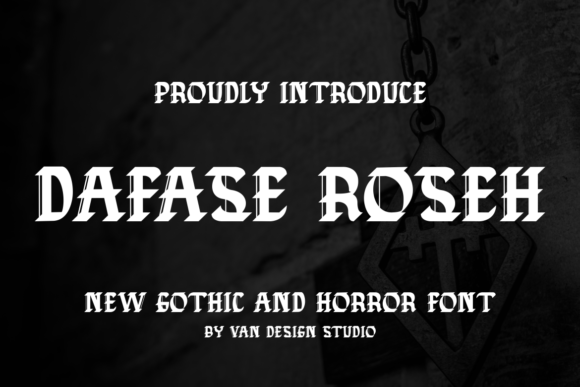
The coffee is brewing, the cutting mat is unrolled, and my Cricut machine is humming to life. I am staring at a blank design file for a new batch of soy candle labels. For weeks, I have been searching for a typeface that captures the rustic yet luxurious vibe of my brand. I need something that feels historic and substantial but still looks crisp on a small sticker. That is when I decided to test Dafase Roseh. It is not just another decorative font; it is a bold and assertive blackletter typeface that instantly transformed my mockup from generic to gallery-worthy.
There is a specific magic in seeing a digital file come to life on physical packaging. When I applied Dafase Roseh to my candle jar labels, the heavy strokes and sharp serifs gave the product an immediate sense of weight and quality. It felt like the label was whispering a secret about the artisanal care inside the jar. This is exactly why this font has become an incredible asset to my fonts library, ready to elevate any creation I put my hands on.
Why Blackletter Fonts Work for Artisanal Products
In the world of handmade goods, visual storytelling is everything. Customers cannot touch the product before they buy it online, so your typography must do the heavy lifting. A standard sans serif might be clean, but it often lacks character. Dafase Roseh, with its distinct Gothic roots, brings a medieval charm that resonates deeply with buyers looking for authenticity. Whether you are designing wedding invitations, boutique tags, or seasonal holiday cards, this display font adds a layer of sophistication that simple text cannot achieve.
I recently used this typeface for a set of farmhouse-style wooden signs. The thick, dramatic lines of the letters cut through the texture of the wood beautifully. It proved that a strong font choice can define the entire mood of a project. When you choose a premium font like Dafase Roseh, you are not just picking letters; you are selecting a personality. It asserts confidence and suggests that the maker behind the product takes pride in every detail.
Real-World Applications for Makers and Sellers
One of the best things about working with Dafase Roseh is its versatility across different mediums. I have tested it on everything from digital printables to physical merchandise, and it holds up remarkably well. Here are some practical ways I have integrated it into my shop:
- Candle and Soap Labels: The bold strokes make the brand name pop against minimalist backgrounds, creating a high-end look for small-batch products.
- Wedding Stationery: For wedding welcome boards and place cards, the font adds a timeless elegance that pairs perfectly with floral elements.
- Tote Bags and Apparel: When screen printing or heat pressing designs onto fabric, the solid blackletter shapes ensure the ink adheres clearly without losing detail.
- Planner Pages and Wall Art: As a creative font for digital downloads, it serves as a stunning header for daily planners or motivational posters.
- Seasonal Packaging: During the holidays, I use it for gift tags and box wraps to give store-bought items a custom, handcrafted feel.
Each time I open the file to work on a new project, I am reminded of how much this font can influence perceived value. A customer is more likely to trust a brand that invests in high-quality design assets. Using Dafase Roseh signals that attention to detail matters, which builds trust and encourages repeat business.
Designing for Readability and Cutting Machines
While the aesthetic appeal of blackletter fonts is undeniable, practicality is key for crafters using machines like Silhouette or Cricut. One of the first questions I ask myself is: will this cut cleanly? With Dafase Roseh, the answer is usually yes, provided you respect the spacing. The font features intricate details, so when designing small stickers or tiny product tags, you must be careful not to let the letters get too crowded.
I learned this lesson early on while testing a sheet of birthday invitation stickers. When I made the text too small, the delicate connections between the strokes began to break during the weeding process. However, when I scaled the font up slightly and adjusted the tracking, the result was perfect. This is crucial advice for anyone selling printable wall art or digital templates; always test your designs at actual size before publishing them.
For longer text blocks, such as terms and conditions on packaging or detailed descriptions on a website, this font is best used sparingly. It shines brightest as a display font for titles, names, and short phrases. If you need to write paragraphs, pair Dafase Roseh with a clean sans serif or a simple serif font. This combination creates a balanced hierarchy where the bold blackletter grabs attention, and the secondary text remains easy to read. This technique is essential for editorial design, web design, and social media graphics where clarity is just as important as style.
Pairing and Styling Tips
To get the most out of Dafase Roseh, consider how it interacts with other typefaces in your brand identity. Because it is so bold, it works exceptionally well with modern typography that offers contrast. A lightweight handwritten font can soften the edges of the blackletter, adding a personal touch that feels warm and inviting. Alternatively, pairing it with a geometric sans serif can create a striking juxtaposition between old-world charm and contemporary minimalism.
I also love checking the included styles and alternates within the font file. Many premium fonts come with swashes, ligatures, and special characters that add unique flair. For example, using a decorative initial capital letter from Dafase Roseh on a greeting card cover can turn a simple message into a piece of art. These small details make a huge difference in the overall polish of your final product.
Commercial Licensing and Professional Standards
As a seller of physical products and digital downloads, understanding licensing is non-negotiable. Before incorporating Dafase Roseh into any item for sale, I always verify the commercial font license. Most high-quality typefaces allow for end-product sales, meaning you can sell mugs, shirts, or tote bags featuring the design without paying extra royalties per unit. However, rules vary, so it is vital to check the specific terms regarding multilingual support and redistribution.
If you are creating SVG files or vector-based designs for other makers to use, ensure you have the proper rights to distribute the font data itself. Usually, you cannot resell the raw font file, but you can sell the finished artwork created with it. Being transparent about these details protects your shop and ensures you are following ethical standards in the design community.
Ultimately, Dafase Roseh is more than just a collection of letters; it is a tool that helps me tell my story. From the moment I sketch a logo to the final print run of a seasonal catalog, this font provides the structure and emotion needed to connect with my audience. Whether you are a seasoned Etsy seller or just starting your journey in handmade crafts, having a versatile and powerful typeface like Dafase Roseh in your toolkit can transform your projects. It turns ordinary labels into brand statements and simple cards into cherished keepsakes. By choosing fonts that align with your vision, you are not just making products; you are crafting experiences.